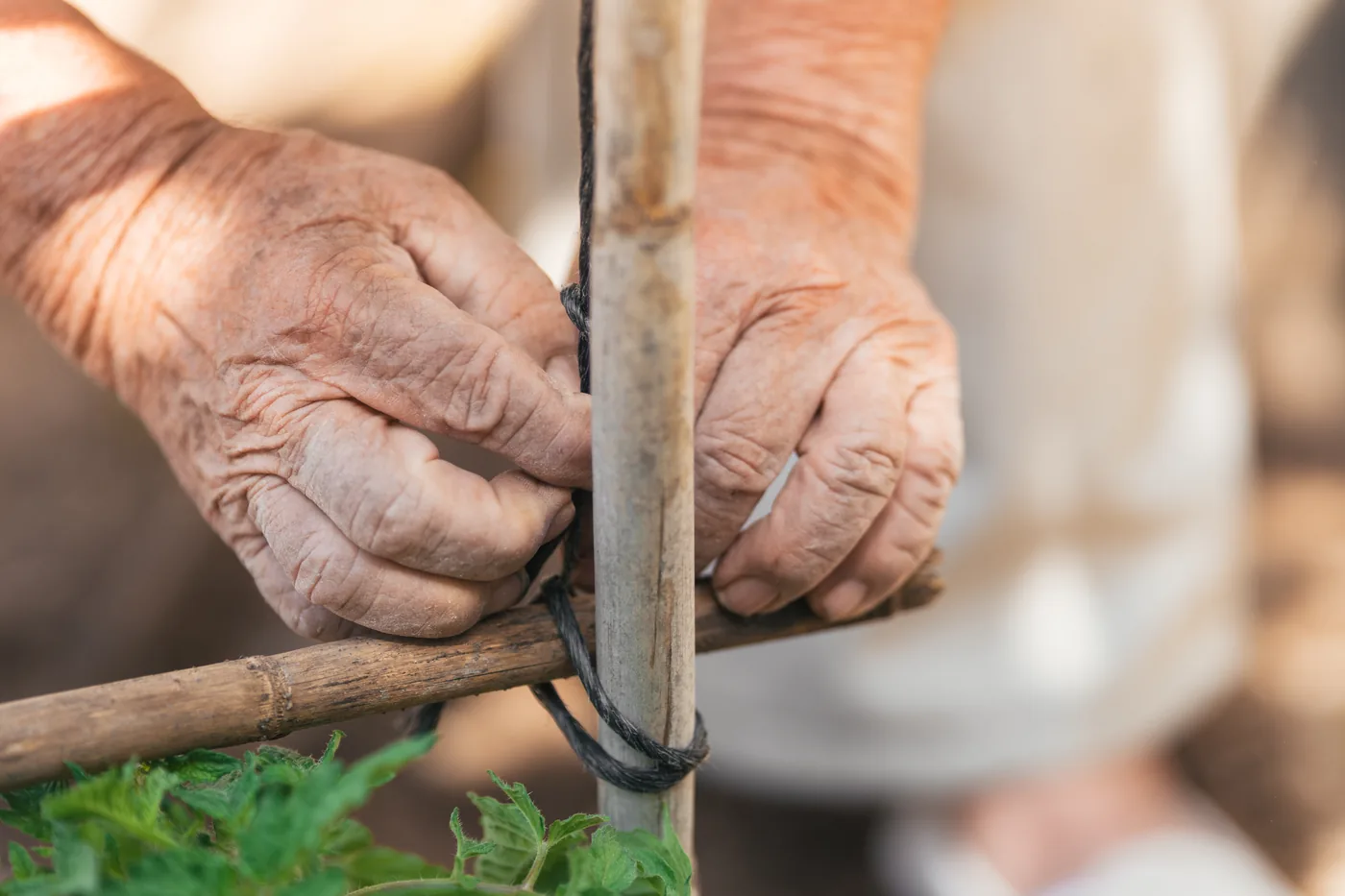
A finger that catches, clicks, or locks bent and has to be pried straight with the other hand. It is not dangerous, but it is maddening, and it can hurt. Before we tell you about the operation, we are going to tell you about the injection, because for most people that is where this ends.
A corticosteroid injection settles a large share of trigger fingers. It is the honest first move, not surgery.
Procedure Time
About 10 minutes
If surgery is needed, it is tiny: the hand numbed, one small incision, and you are done.
Hospital Stay
Home within the hour
Day surgery, usually under local anesthetic. You walk out with a small dressing.
Back to Normal
1 to 3 weeks
Light use immediately, most activities within days, full grip over a few weeks. The catching stops for good.
What is trigger finger?
The tendons that bend your fingers run through a series of snug tunnels, called pulleys, that hold them close to the bone. In trigger finger, the tendon or the first pulley thickens, and the tendon can no longer glide smoothly. It snags, then pops through. That is the click, the catch, and in the worst cases the finger that locks down and will not come back up.
It usually starts with stiffness in the morning and a tender lump you can feel in the palm at the base of the finger. It is more common if you have diabetes, and more common in the thumb, ring and middle fingers. It is not caused by anything you did, and it is not a sign of anything sinister.
The most important sentence on this page. Most trigger fingers do not need surgery. A corticosteroid injection into the tendon sheath settles a large proportion of them, and for a first-time trigger finger it is the right thing to try before anyone reaches for a scalpel. Any hand surgeon worth seeing will offer you the injection first. We put this at the top of the page, not the bottom, because it is the truth and because it is the opposite of what a business that only makes money from operating would tell you.
There are two treatments for a trigger finger and they are not equal first choices. The injection comes first for almost everyone, and surgery is for the fingers the injection cannot fix.
First Line
Corticosteroid Injection
A small injection of steroid into the tendon sheath, in a clinic, taking a couple of minutes. It calms the swelling so the tendon glides again. For a first trigger finger it works often enough that it should always be tried first.
Best for
A first or second trigger finger
Where
A clinic room, no theatre, no incision
Success
Settles a large share, though some recur
Downside
May not last, and can be less effective in diabetes
Recovery
None to speak of
If That Fails
Trigger Finger Release
A tiny operation to divide the tight pulley so the tendon can move freely. It is the definitive fix: once the pulley is released, that finger does not trigger again. Reserved for fingers that injection has not solved.
Best for
Triggering that returned after injection, or a finger locked down
Where
Day surgery, usually the hand numbed and you awake
Success
Very high, and durable
Downside
It is still an operation, with a small wound to heal
Recovery
Light use at once, full grip in a few weeks
When surgery genuinely moves up the queue. A finger that has locked down and will not straighten, triggering that has come back after one or two injections, or a trigger finger in someone with diabetes, where injections tend to work less well, are all situations where going straight to a release is reasonable. Your surgeon will tell you which situation you are in. If the honest answer is "have the injection and come back only if it returns", that is the answer you will get, even though it is not the one that books an operating room.
CANDIDACY
Are you ready for the operation?
The question is less "are you a candidate" and more "have you earned it", because surgery is what you do when the simpler things have not worked. Here is where that line sits.
Surgery makes sense if you have
A finger that has locked in a bent position and has to be forced straight
Triggering that came back after one or two corticosteroid injections
Pain and catching that is interfering with work or sleep
Diabetes, where injections are less reliable and surgery is often more definitive
More than one finger triggering, which can be released in the same visit
Hold off, and inject first, if
This is the first time this finger has triggered
It catches but you can still straighten it yourself
You have not yet had a single injection, which is the standard first step
The symptoms are mild and only really bother you first thing in the morning
You would simply rather avoid an operation, which for early triggering is reasonable
If you are in the right-hand column, we will suggest the injection and tell you to come back only if it does not hold. That will cost us an operation and it is the right advice. Ask a coordinator.
Your recovery, step by step.
One of the fastest recoveries in surgery. The point of the operation is a finger that moves the moment it is released, and it usually does.
DAY 1
Surgery Day
Home within the hour. The finger already moves without catching, which is a strange and satisfying thing to feel straight away.
DAY 2–5
Move It
Use the hand for light things and keep the finger moving, which stops it stiffening. Keep the dressing clean and dry.
WK 1–2
Stitches Out
The stitch comes out around ten to fourteen days. Everyday activities are back. The palm may be tender where the incision was.
WK 2–4
Grip Returns
Firm gripping and heavier tasks come back. Any tenderness in the palm settles over these weeks.
WK 4+
Done
The finger is yours again, and that pulley cannot trigger it a second time. For most people, this is simply over.
Timelines are typical ranges, not promises. Two honest notes. If the finger had been locked down for a long time, it can take a few weeks of gentle movement, and sometimes a little hand therapy, to regain full straightening, because the joint itself had stiffened. And as with any hand operation there is a small wound to look after and a low risk of infection or tenderness. Your surgeon will give you specific advice, and ACCESS coordinates any hand therapy you need close to home.
What does private trigger finger surgery cost in Canada?
There is no single price, but this is one of the smallest and least expensive procedures we coordinate. It is a ten-minute operation under local anesthetic, with nothing implanted.
Rather than post a number that may not apply to you, we do something more useful: we review your history, establish whether you even need the operation, and give you one written, all-inclusive quote before anything is booked.
Injection or surgery. If an injection is the right first step, that is a far smaller undertaking than an operation.
How many fingers. If more than one is triggering, they can often be released in the same sitting.
Anesthetic. Almost always just the hand numbed. Sedation, if you prefer it, is an added cost.
The facility and province. Operating room and facility fees differ across the network.
Worth asking your coordinator about: third-party financing is available through established partners, and some private medical expenses may qualify for the Canada Revenue Agency's Medical Expense Tax Credit. We will walk you through all of it.
Local anesthetic, or physician anesthesia if you need sedation
Your dressing and your first post-operative review
ACCESS coordination, from first call to follow-up
Set out separately, never buried: travel and one night's accommodation where needed, and anything outside the package such as hand therapy. You see every line before you commit. No hidden fees, ever.
Trigger finger questions.
Straight answers to what patients ask us most about private trigger finger treatment in Canada.
For a first trigger finger, almost always yes. A corticosteroid injection into the tendon sheath settles a substantial proportion of trigger fingers, it takes a couple of minutes in a clinic room, and it avoids an operation altogether. It is the standard first-line treatment and it is what a good hand surgeon will offer you before anything else. Surgery becomes the sensible choice when the injection has been tried once or twice and the triggering keeps coming back, when the finger has locked down, or in people with diabetes, in whom injections tend to be less durable. If the injection is right for you, that is what we will recommend, even though it is not the option that books an operating room.
There is no single price, but this is among the least expensive things we coordinate. An injection is a small clinic procedure. The surgery, if it comes to that, is a ten-minute operation under local anesthetic with nothing implanted. Your cost depends on whether you need an injection or an operation, how many fingers are involved, and the facility. ACCESS reviews your history, works out what you actually need, and gives you one written, all-inclusive quote before anything is booked. Financing options and the CRA Medical Expense Tax Credit may also apply.
Not tracked, and often long. Trigger finger surgery is not among the wait-time benchmarks Canada reports against, so no public figure exists for it. The Fraser Institute's 2025 survey of Canadian physicians put the median reported wait for plastic surgery, the specialty in which hand surgery is performed, at 41.5 weeks from family doctor referral to treatment. That is a long time to spend with a finger that catches and locks, for an operation that takes about ten minutes.
Very unlikely in that finger. The operation divides the tight pulley that was catching the tendon, and once it is released it does not re-form and trigger again. That is the appeal of surgery over injection: it is definitive. It does not stop a different finger from developing its own trigger in the future, which can happen, particularly if you are prone to it, but the finger that was operated on is fixed for good.
A little. Trigger finger is more common if you have diabetes, and the evidence suggests corticosteroid injections tend to be somewhat less durable in people with diabetes, so the balance can tip toward surgery a bit sooner. Injections can also cause a short-lived rise in blood sugar, which is worth knowing if your control is tight. None of this rules out either treatment; it just means the conversation is slightly different, and your surgeon will have it with you honestly rather than applying a one-size answer.
Yes. Travelling within Canada for privately funded surgery is a legitimate, well-established pathway, and coordinating it is exactly what ACCESS does. Trigger finger release is short day surgery, so it is a roughly two-day trip: fly in, have it done, one night nearby, and home. We arrange the flights, the hotel and the car, and coordinate your stitch removal close to home. If the right answer turns out to be an injection rather than an operation, we will tell you that before you have booked any travel.
Related procedures.
Explore the other hand and wrist procedures we coordinate across Canada.
Nerve
Carpal Tunnel Surgery
For a hand that goes numb at night. The one hand operation where waiting genuinely costs you, explained honestly.
Speak with a care coordinator about your finger, and whether an injection or an operation is the right next step. No referral needed, no obligation, and a clear quote before anything is booked.